How to verify a Vietnamese supplier before you pay
The checks we run before a client sends money to a factory in Vietnam, in the order we run them, and what each one is actually able to tell you.
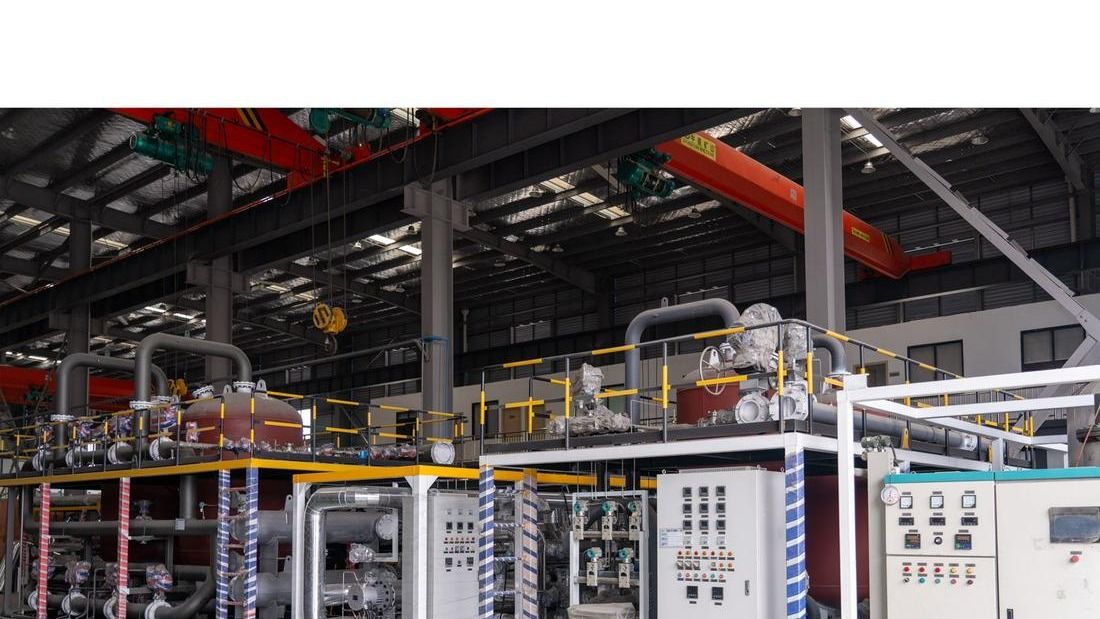
Most of the trouble we get called in to fix started the same way: a quotation arrived, the price was good, the photographs looked right, and nobody checked whether the company behind them makes anything at all.
Verification is not one step. It is three, and they answer different questions. Doing the cheap ones first means you rarely pay for the expensive one.
1. Does this company legally exist, and is it allowed to export?
Ask for the business registration certificate (giấy chứng nhận đăng ký doanh nghiệp). It carries a tax code, which is public: anyone can look it up on the National Business Registration Portal and see the registered name, address, capital, and — this is the part people skip — the registered lines of business.
A company registered only for domestic trade is not a manufacturer. That single mismatch is the most common thing we find, and it costs nothing to check.
What to compare:
- The name on the certificate against the name on the quotation and the bank account. All three should match. A payment instruction to a third company is worth a phone call before it is worth a transfer.
- The registered address against the factory address they gave you.
- The registration date. A company incorporated four months ago may still be excellent, but it has no export history to verify.
2. Have they actually shipped this product before?
Ask for export records: bill of lading copies, or the customs declarations for two or three past shipments of the same product category. Redact the buyer names if they prefer — you want the product, the volume, and the destination, not their client list.
A supplier who has shipped to the EU before knows what a phytosanitary certificate is and what happens when it is wrong. One who has only sold domestically will learn that on your container.
Certifications follow the same rule: ask for the certificate number and check it with the issuing body, not with the supplier. A PDF proves nothing. We have seen valid certificates belonging to a different company entirely.
3. Go and look
This is the part that cannot be done remotely, and it is the reason a factory audit exists as a separate piece of work.
What a visit tells you that paperwork cannot:
- Whether the factory is theirs. Plenty of trading companies will walk you through someone else’s plant. Ask to see the machine maintenance log and the staff roster; a middleman cannot produce either.
- Real capacity, as opposed to quoted capacity. Count the working lines, not the installed ones. Ask what else is running in the month you need your order, and look at whether the warehouse is already full.
- Whether quality control is a person or a poster. There should be an inspection station with records on it, and the person standing there should be able to tell you what they rejected last week and why.
- Who you would actually be dealing with. The sales contact is rarely the person who runs your order. Meet the production manager.
What this costs, honestly
Steps one and two are a few hours of work and can be done from anywhere, if you read Vietnamese or have someone who does. Step three means somebody getting on a road, and it is worth it above roughly the point where a failed order would hurt more than a plane ticket.
We do all three, and we tell clients when step three is not worth it for their order size. That conversation is usually shorter than people expect.
If you are weighing up a supplier right now and want a second opinion on what you already have, send us the documents. Reading them is quick, and we will tell you plainly whether they say what the supplier thinks they say.
Buying from a supplier in Vietnam? See supplier verification and factory audits, or ask for a free consultation.